
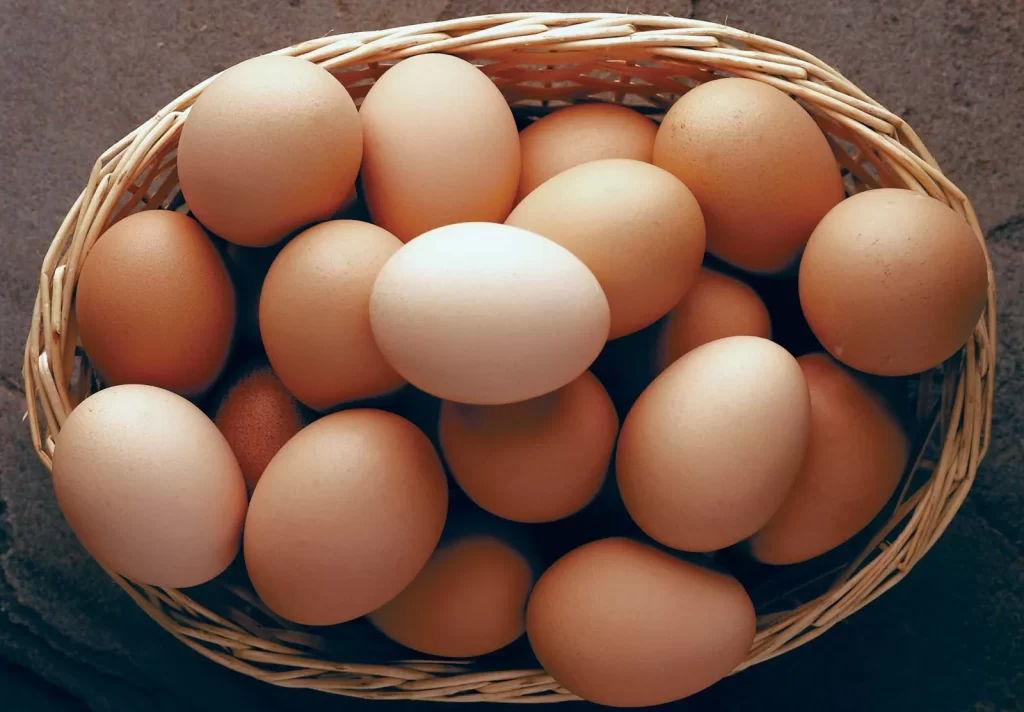
Michigan, with its rich agricultural heritage and vibrant rural communities, has played a significant role in the history and evolution of chicken egg production in the United States. From humble backyard flocks to large-scale operations, the story of eggs in the Great Lakes State is one of adaptation, innovation, and increasing consumer awareness. Today, whether you’re looking to buy eggs in Michigan at a local co-op, seeking organic eggs, or chasing the lowest price eggs Michigan eggs can offer, this industry reflects centuries of development, tradition, and transformation.
Early Egg Farming in Michigan (1800s–1900s)
In the 19th century, egg production in Michigan was strictly a household affair. Families on homesteads across the state, especially in rural communities such as the Thumb and Northern Lower Peninsula, raised small flocks of chickens for personal consumption. Eggs were collected daily, used for baking and breakfast, and preserved through techniques such as water glassing or liming.
Surplus eggs were often traded at general stores or bartered within the community. While most of these were far from what we’d call cage free eggs today, hens were largely free to roam in barnyards and pastures.
Eggs Become Big Business (1920s–1950s)
By the early 20th century, advancements in poultry science, refrigeration, and transportation helped Michigan become a regional hub for egg production. The advent of electric incubators, proper laying cages, and automatic egg washers modernized the process.
The industry began to centralize. Commercial egg farms emerged near urban markets like Detroit, Flint, and Grand Rapids. These farms made it easier for urban consumers to buy eggs in Michigan that were fresh, affordable, and available year-round.
However, these mass-production methods also introduced new concerns. Hens were increasingly confined to battery cages, leading to pushback decades later and ultimately giving rise to modern preferences like free range eggs and cage free eggs.
The Rise of the Grocery Store Egg (1960s–1980s)
Post–World War II prosperity fueled suburban expansion and supermarket culture. With it came factory-farmed eggs—uniform in appearance, cheap in price, and broadly distributed. For many families, eggs became a staple of the weekly grocery haul.
This era also saw the formation of farmer cooperatives and associations in Michigan that focused on bulk production and cost reduction. If you were looking for the lowest price eggs Michigan eggs, you likely found them in these big-box grocery stores, sourced from high-volume farms across the state.
While efficient, this system came at a cost—animal welfare, nutritional diversity, and taste were often sacrificed for uniformity and shelf life.
Consumer Awakening and the Birth of Organic & Ethical Eggs (1990s–2000s)
By the 1990s, consumers began asking tougher questions about their food. How were the hens raised? What were they fed? Were antibiotics or hormones involved?
This scrutiny ushered in a new era: the organic eggs and cage free eggs revolution. Michigan farmers, particularly those in smaller communities and Amish/Mennonite settlements, were among the early adopters of ethical and sustainable poultry farming.
The organic label required that hens be fed non-GMO feed and not treated with antibiotics or synthetic hormones. It also mandated access to the outdoors. Meanwhile, free range eggs became a prized commodity at farmers markets from Ann Arbor to Traverse City.
Consumers seeking transparency and taste began to buy eggs in Michigan directly from the source—CSAs, roadside stands, or farm visits—often willing to pay a premium.
Farmers Markets and Backyard Chickens: Michigan’s Egg Renaissance (2010s–Present)
Today, Michigan is experiencing what many call an “egg renaissance.” Urban homesteading has exploded, and cities like Lansing, Kalamazoo, and Ypsilanti have revised ordinances to allow backyard chickens. Families are once again collecting their own organic eggs, enjoying the deep yellow yolks and knowing exactly where their food comes from.
Farmers markets have boomed across the state. At these vibrant venues, consumers can buy eggs in Michigan that are:
- Pasture-raised with rotating forage access
- Free range eggs from heirloom breeds
- Cage free eggs with high animal welfare certifications
Prices vary, with some artisan eggs selling for $6–$8 a dozen—far from the lowest price eggs Michigan eggs, but reflective of the added value, care, and sustainability involved.
Meanwhile, major retailers have taken notice. Chains like Meijer, Kroger, and Whole Foods now stock a variety of egg labels, including organic eggs, free range eggs, and certified humane products. Consumers have more choices than ever before.
The Economic Impact of Michigan’s Egg Industry
Egg production is big business in Michigan. According to the Michigan Department of Agriculture and Rural Development, the state ranks among the top egg producers in the nation, contributing billions to the local economy.
Michigan is home to several major egg producers, including Herbruck’s Poultry Ranch—the largest in the state. This company alone produces over 1.9 billion eggs per year and has made significant investments in cage free eggs and sustainable systems to meet growing consumer demand.
These large-scale operations often supply the lowest price eggs Michigan eggs to grocery chains while simultaneously expanding into premium offerings such as organic eggs and free range eggs.
Where to Buy Eggs in Michigan: Today’s Options
If you’re wondering where to buy eggs in Michigan, the options are as diverse as the state’s landscape:
- Supermarkets: Carry a wide range—from budget white eggs to premium organic eggs.
- Farmers Markets: Great for locally produced free range eggs, often from small farms using ethical practices.
- Roadside Stands: Common in rural areas, offering fresh eggs at competitive prices.
- CSAs (Community Supported Agriculture): Offer weekly egg shares, often with cage free eggs.
- Backyard Farmers: Many families now sell surplus eggs to neighbors.
If you’re price-conscious, you can still find the lowest price eggs Michigan eggs at discount grocers or large chains. But if quality, sustainability, and animal welfare matter more, look for organic eggs or free range eggs with clear labeling.
The Future of Eggs in Michigan
As consumers continue to seek healthful, ethical, and local food sources, the egg industry in Michigan is evolving to meet demand. Expect to see more innovations in:
- Carbon-neutral egg farming
- Regenerative agriculture practices
- Technology-integrated traceability systems
- Local supply chains
Whether you’re raising your own hens in a Detroit backyard, shopping for organic eggs at a Traverse City farmers market, or searching for the lowest price eggs Michigan eggs for your family of six—eggs remain a vital, adaptable, and deeply Michigan food.