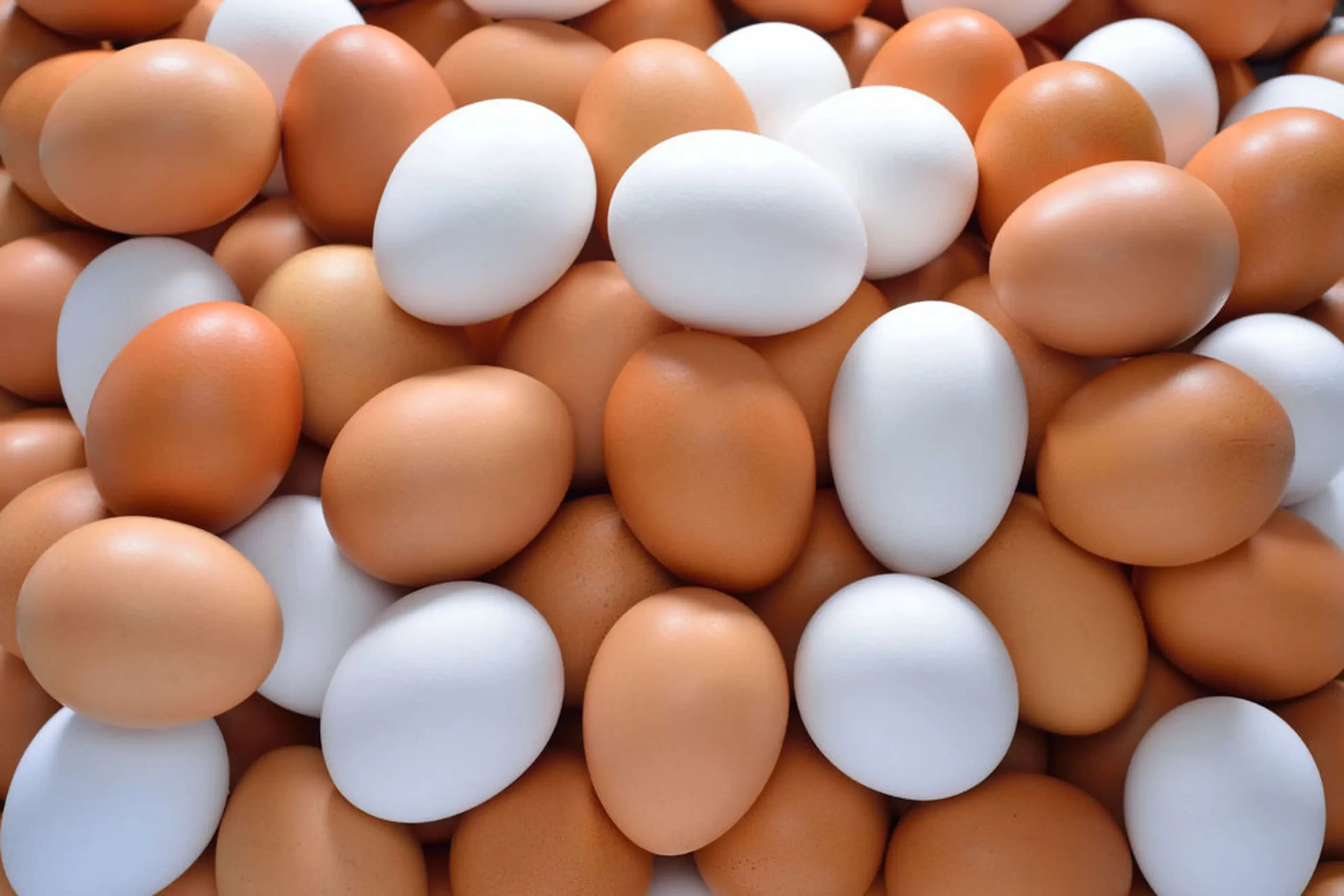
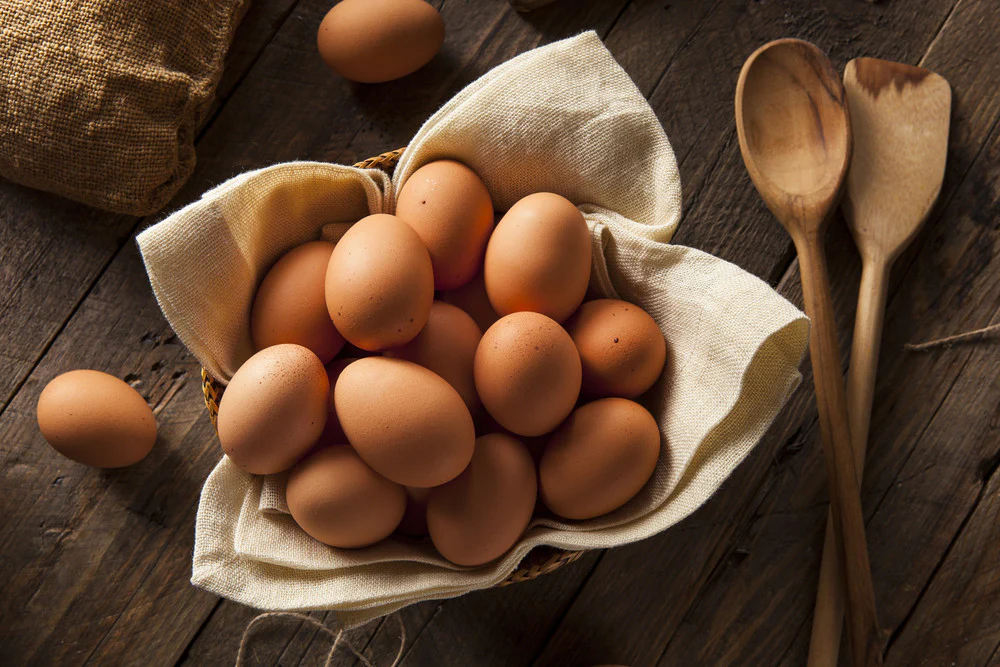
Chicken eggs have been a fundamental part of human diets for thousands of years. Universally accessible, affordable, and versatile, organic eggs have nourished civilizations, fueled agricultural innovation, and become central to culinary traditions worldwide. But how did the humble chicken egg become such an integral dietary staple?
In this article, we’ll journey through time to uncover the fascinating history of farm fresh eggs in human diets—from their early domestication to their global culinary prominence today.
Origins: The Jungle Fowl and Early Domestication
The story of chicken eggs begins with the red jungle fowl (Gallus gallus), a bird native to Southeast Asia, particularly regions of modern-day Thailand, India, Myanmar, and southern China. These birds laid relatively few eggs compared to modern high-protein eggs—usually only during the breeding season.
Domestication (~7500–5000 BCE)
Archaeological and genetic evidence suggests that chickens were first domesticated around 7,500 to 5,000 BCE. The process began in Southeast Asia and then gradually spread westward through trade routes into the Middle East, Africa, and Europe. Initially, chickens were likely raised for religious or ceremonial purposes, as well as for cockfighting. However, as selective breeding advanced, chickens began laying nutrient-rich eggs more frequently, and humans started to recognize eggs as a valuable food resource.
Ancient Civilizations and Egg Consumption
By the time of the ancient Egyptians and Mesopotamians (circa 1400 BCE), chickens were widely kept for their eggs. Ancient texts and artwork suggest that egg white protein farming was practiced in organized ways, particularly in Egypt, where they developed early methods of incubation. These early practices would eventually evolve into techniques used in modern egg farming, whether you’re sourcing organic eggs or cage free eggs at your local market.
Egypt: Innovation in Egg Incubation
The Egyptians were among the first to use artificial incubation, a method involving clay ovens and careful temperature control. This innovation dramatically increased egg production and ensured a more consistent food supply. These incubation houses became important facilities in Egyptian agriculture, especially for producing healthy eggs.
Greece and Rome: Culinary and Symbolic Roles
The ancient Greeks and Romans embraced whole eggs as both a food and a symbol. The Greeks believed the egg represented the universe. Greek and Roman households ate eggs boiled, fried, and used them in baked goods. The Roman cookbook Apicius includes recipes that could today easily accommodate organic or free range eggs.
The Romans also practiced pickling eggs—a method that preserved them for travel or seasonal scarcity, not unlike today’s effort to source eggs locally during winter. In places like Michigan, for example, many residents still look to buy eggs in Michigan from farmers’ markets and small producers who offer the lowest price eggs Michigan eggs with quality in mind.
Eggs in Early Religions and Rituals
Eggs held symbolic roles in various religious traditions:
- Christianity: Eggs became a symbol of resurrection and rebirth, especially around Easter, where decorating farm fresh eggs became tradition.
- Judaism: Eggs appear on the Passover Seder plate as a symbol of mourning and the cycle of life.
- Hinduism and Buddhism: While eggs were often avoided in strict diets, they symbolized potential and rebirth in mythologies.
The Medieval Period: Monasteries and Farming
During the medieval period in Europe, egg production became more structured, often centered around monasteries. Monks practiced early egg farming techniques, rearing chickens for both meat and nutritionally balanced eggs. With restrictions on meat consumption during Lent, high-protein eggs were a critical dietary component. Many peasants and villagers likely relied on bartering to obtain eggs during seasonal shortages—a practice that echoes today in local bartering or community exchanges for cage free eggs or organic options.
Renaissance and Early Modern Europe: Culinary Development
In the Renaissance, culinary arts flourished. Eggs were used in sauces, pastries, and custards. French chefs discovered the wonders of emulsification, using egg yolks to blend fat and water for creamy textures. From luxurious soufflés to peasant omelets, eggs became a bridge between classes.
Today, many chefs and home cooks in places like Michigan seek organic eggs or free range eggs for better flavor and ethical sourcing—especially during seasonal cooking or holiday baking. The surge in interest to buy eggs in Michigan reflects this culinary and ethical appreciation.
The Agricultural Revolution and Industrial Egg Production
The 18th and 19th centuries brought significant changes. Improved breeds, farm systems, and refrigeration allowed for broader distribution of eggs.
Selective breeding gave rise to laying hens that could produce 200–300 eggs annually. Breeds like the Leghorn became popular for their efficiency, producing the type of eggs often found when searching for the lowest price eggs Michigan eggs in stores or farmer cooperatives.
Eggs in the New World
Introduced by European colonists, chickens were rapidly adopted by Indigenous populations. In early America, farm fresh eggs were commonly bartered and became a source of supplemental income. Even today, small farms in Michigan often sell directly to consumers who want to buy eggs in Michigan that are local, fresh, and ethically produced.
The 20th Century: Industrialization and Globalization
With the rise of factory farming, eggs became an everyday food across the world. Automation and efficiency allowed for mass production, though concerns about animal welfare pushed many to seek alternatives.
This shift has led to the popularity of cage free eggs, free range eggs, and organic eggs—products many consumers deliberately seek out for ethical and nutritional reasons. It’s now common to find labels advertising these choices, even at the lowest price eggs Michigan eggs through co-ops and farmer-supported agriculture programs.
Nutrition Research and Controversy
Between the 1960s and 1980s, dietary cholesterol in eggs was criticized. Later studies showed limited impact on heart health for most people, and eggs were reaffirmed as a high-quality protein source. Today, whether you’re buying organic eggs at a market or seeking cage free options in Michigan, the nutritional benefits are widely recognized.