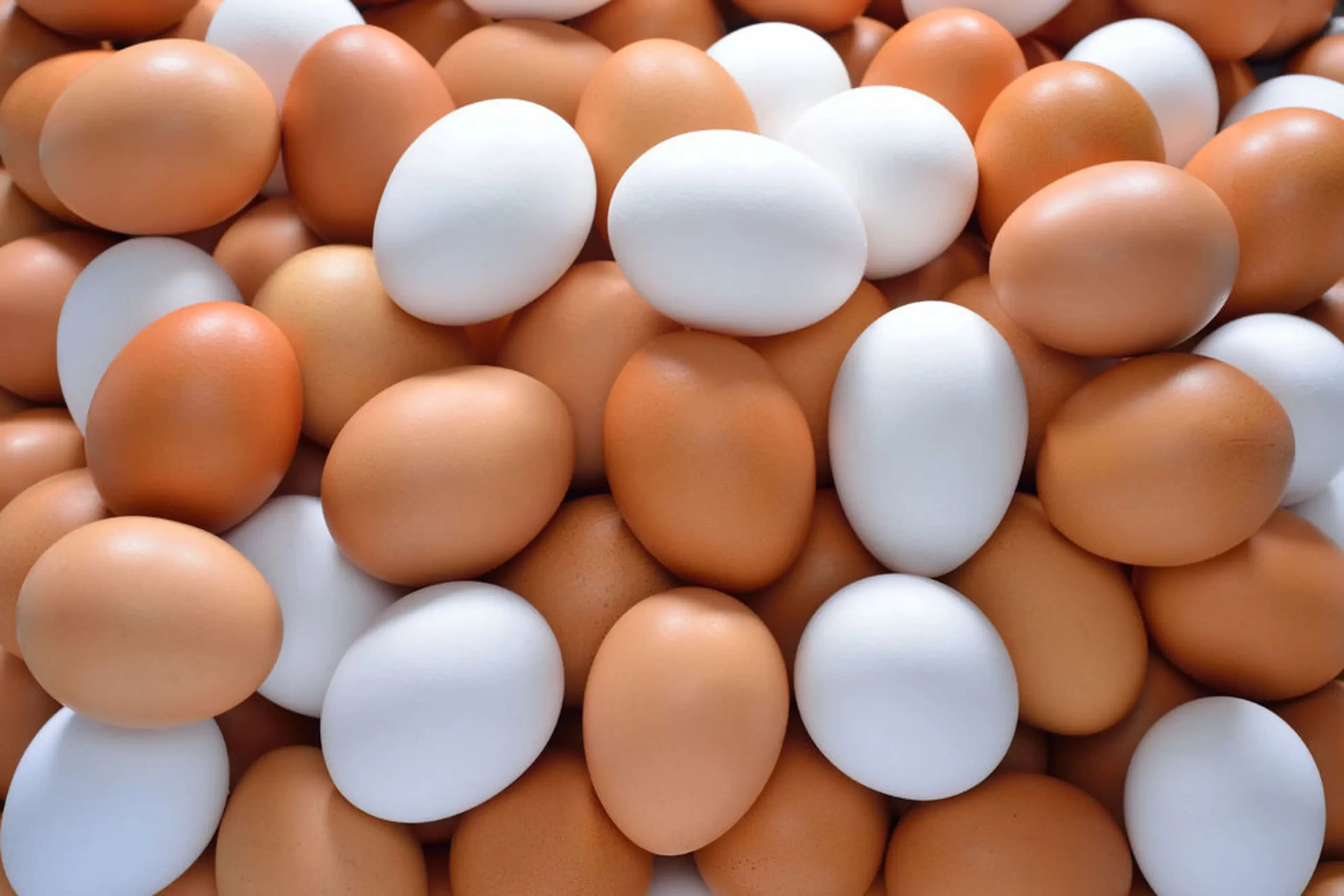

Chicken eggs have been a dietary cornerstone in cultures around the world for centuries. In the United States, their role has evolved from a humble farm product to a modern-day supermarket essential. Despite changes in agricultural practices, culinary trends, and health guidelines, chicken eggs remain one of the most versatile, affordable, and nutritionally dense foods available to Americans.
This article explores the critical place of chicken eggs in today’s U.S. diet, highlighting their nutritional value, culinary versatility, cultural relevance, and economic significance.
A Ubiquitous Breakfast Icon
When Americans think of breakfast, eggs are often the first food that comes to mind. Whether scrambled, fried, poached, boiled, or baked into casseroles, eggs are a quintessential morning meal. According to the American Egg Board, approximately 95% of American households consume eggs, with the average person eating more than 280 eggs per year.
This consumption reflects more than tradition—it speaks to eggs’ role as a functional, filling, and flexible food. For those seeking organic eggs or free range eggs, breakfast has also become a space for making values-based food choices. Eggs provide protein and fat that help regulate appetite, making them a popular choice for energy and satiety to start the day.
Nutritional Powerhouse
One of the key reasons eggs have maintained their popularity is their impressive nutritional profile. A single large egg contains:
- 6–7 grams of high-quality protein
- All nine essential amino acids
- 5 grams of healthy fats
- 70–80 calories
- Vitamins A, D, E, B12, and riboflavin
- Choline, vital for brain health and development
- Lutein and zeaxanthin, antioxidants linked to eye health
Eggs are one of the few natural sources of vitamin D, a nutrient many Americans lack. For those who prioritize quality and nutrition, choosing cage free eggs or organic eggs may offer added peace of mind.
Moreover, the protein in eggs is considered a gold standard, often used as a benchmark to evaluate the quality of other protein sources.
Cholesterol Reconsidered
For decades, eggs were viewed with caution due to their cholesterol content (about 185 mg per egg yolk). However, recent scientific research has shifted this perception. Studies now show that dietary cholesterol has minimal impact on blood cholesterol levels for most people, leading the American Heart Association and the Dietary Guidelines for Americans to ease previous restrictions.
This shift has encouraged many to reintroduce eggs into their diets—including those looking to buy eggs in Michigan that fit into heart-healthy lifestyles.
Culinary Versatility
Eggs are integral to nearly every culinary tradition in the United States. Beyond breakfast, eggs are a foundational ingredient in:
- Baking (cakes, muffins, cookies)
- Sauces (hollandaise, mayonnaise)
- Custards and desserts (crème brûlée, flan, ice cream)
- Savory dishes (quiches, omelets, casseroles)
Few ingredients are as multifunctional as the egg. They act as binders, leaveners, thickeners, and emulsifiers, making them indispensable in both home cooking and commercial food production.
For culinary enthusiasts exploring premium ingredients, opting for organic eggs or free range eggs may enhance the flavor and texture of these dishes.
Affordability and Accessibility
Another reason eggs remain a staple in the modern U.S. diet is cost. Even with inflation and economic fluctuations, eggs are one of the most affordable sources of protein on the market.
In comparison to meat or fish, eggs offer a nutritional bang for the buck. A dozen large eggs generally costs between $2 and $5, depending on the source and label (e.g., cage free, organic, or pasture-raised). Consumers looking for the lowest price eggs Michigan eggs can often find deals at local grocers, farmers’ markets, or discount stores.
For many, especially during economic downturns, eggs are a lifeline—inexpensive, nutritious, and easy to prepare.
Eggs in American Food Culture
Beyond nutrition, eggs are embedded in the cultural fabric of American food traditions. Think of deviled eggs at a summer picnic, hard-boiled eggs during Easter, or eggnog during the holidays. In every region of the country, eggs are incorporated into local dishes and seasonal celebrations.
And for Michigan locals looking to support tradition while being budget-conscious, many choose to buy eggs in Michigan from trusted local farms and markets, ensuring freshness and community support.
Pop Culture and Eggs
Eggs have even carved out a spot in popular culture, from Rocky Balboa’s raw egg breakfast in the iconic boxing film to the viral popularity of egg-centered recipes on TikTok and YouTube. They’ve become symbols of health, hustle, and home-cooked authenticity.
Modern Egg Production: Industrial and Local
To meet the country’s enormous demand, the U.S. egg industry has grown into a multi-billion-dollar sector. Large commercial farms—often housing millions of hens—supply most of the eggs found in supermarkets. These operations are efficient and technologically advanced, capable of producing and distributing eggs at scale.
However, alongside industrial-scale production, there’s been a resurgence of local and small-scale egg farming. Consumers are increasingly aware of:
- Animal welfare concerns (e.g., battery cages vs. pasture-raised systems)
- Environmental impact
- Support for local economies
This awareness has fueled demand for free range eggs, cage free eggs, and organic eggs—especially in states like Michigan, where regional food movements are thriving.
Backyard Chickens and Urban Homesteading
In recent years, backyard chicken keeping has exploded in popularity, especially in suburban and urban areas. The COVID-19 pandemic accelerated this trend as supply chain disruptions and lockdowns made people more interested in self-sufficiency.
Raising chickens at home offers several benefits:
- Fresh eggs with vivid yolks and rich flavor
- Educational opportunities for children
- Organic pest control and garden fertilization
- A connection to nature and food production
Many homesteaders aim to produce their own organic eggs or free range eggs, creating alternatives to mass-market eggs while providing for their families and communities. Others may seek to buy eggs in Michigan from nearby co-ops and farm stands that offer ethical and high-quality options.
Eggs and Dietary Trends
The flexibility of eggs allows them to fit seamlessly into a variety of modern diets:
- Keto and low-carb: Eggs provide protein and fat with virtually no carbs.
- Paleo: Embracing whole, unprocessed foods, including cage free eggs.
- Vegetarian: Eggs remain a primary protein source.
- Gluten-free: Naturally safe for those avoiding gluten.
For health-minded consumers searching for the lowest price eggs Michigan eggs, it’s still possible to find organic eggs or free range eggs without breaking the bank—particularly through local markets or farm subscriptions.